: , , , , , , , , and
Art & Exhibitions
The Day Is Gone: 100 Years of the New Objectivity
Curation: Dr. Noam Gal Assistant curator: Naama Bar-Or
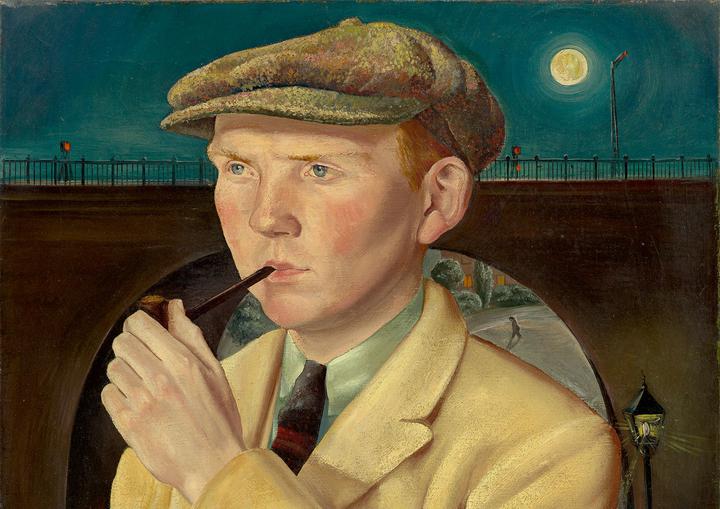
The portraits they painted, for instance, do not extol their subjects, but rather give their faces the sharpness and imperviousness of an object, a thing. A selection of the “New Objectivity” artworks is now displayed in Tel Aviv for the first time ever thanks to an extraordinary gesture of the German collector Mr. Jan Fischer, who has chosen this time and location to share his unique collection with the public.
What do we have in common with these artworks? They were created in the shadow of a war that undermined the value of human life, and in a financially and socially torn country. The movement’s period of activity was characterized by technological innovations and artistic experiments alongside an affinity with radical visions and ideas, including those that led Germany to the worst disaster in its history. While the differences between 1925 Germany and 2025 Israel are numerous and significant, the urgency felt by the artists of that time – the need to find the strength to make art, to allow the brush the liberty to present a critical (be it crystal clear or more ambiguous) mirror before the viewers – is very familiar to us, and even essential to our existence.
The exhibition “The Day is Gone” is arranged as a story that follows a day in the life of a young man in Berlin 100 years ago – from the moment he wakes up early in the morning, as he works in his studio, walks down a busy street with its many temptations and tensions, visits an underground theater, and finally, ends the night in an underground bar. This story, which accompanies viewers via earphones as they move through the chapters of the exhibition, is based on impressions and thoughts written by artists of that time – as well as the concerns that we all share today.